
Choosing the right manufactured home size in Marion, SC involves much more than deciding how many bedrooms you want. Your household, property, storage requirements, everyday routines, entertaining habits, budget priorities, and future plans can all influence how much space makes sense.
A home that looks spacious on paper may not necessarily have the layout that works best for your family. On the other hand, a thoughtfully designed manufactured home may provide everything you need without adding rooms or square footage that rarely get used.
For homebuyers in Marion, South Carolina, the goal should be to find a home that feels comfortable today while remaining practical for the years ahead.
At American Manufactured Home Outlet, buyers can explore manufactured housing options and consider how different layouts, room configurations, and home sizes fit their individual needs.
So, before deciding that bigger is automatically better, consider what you actually need from your future home.
Start With How You Actually Live
One of the easiest mistakes to make when shopping for a manufactured home is focusing primarily on square footage.
Square footage matters, of course. However, the way that space is organized can be even more important.
Imagine two homes with similar overall dimensions. One dedicates substantial space to formal areas that the household rarely uses. The other provides an open kitchen and living area, useful closets, comfortable bedrooms, and convenient access to the outdoors.
Although their total sizes may be similar, they can feel completely different.
Therefore, when choosing a manufactured home size in Marion, SC, begin with your normal routine.
Ask yourself questions such as:
- How many people will live in the home?
- How many bedrooms are actually needed?
- Does anyone work from home?
- Do relatives or friends stay overnight regularly?
- Is a large kitchen important?
- Do you prefer open or separated living spaces?
- How much storage does your household need?
- Would an additional bathroom improve everyday convenience?
- Do you expect your household to change over the next several years?
These questions help transform home shopping from a search for the largest possible house into a search for the most useful one.
How Many Bedrooms Do You Really Need?
Bedroom count is one of the first specifications buyers consider.
For some households in Marion, a two-bedroom manufactured home may provide plenty of space. Others may benefit from three or four bedrooms.
However, bedrooms don’t have to serve only one purpose.
An additional room could become a:
- Home office
- Guest room
- Hobby room
- Exercise space
- Children’s playroom
- Craft room
- Study area
Consequently, thinking about how rooms could change purpose over time can help you choose a home that remains functional longer.
For example, a couple might not immediately need a third bedroom. Nevertheless, that additional room could be useful for visiting relatives today and serve another purpose later.
That kind of flexibility can be valuable when selecting a home for long-term living.
Two-Bedroom Manufactured Homes: When Less Can Be More
A two-bedroom manufactured home can be an attractive choice for smaller households, couples, retirees, or buyers who simply don’t want unnecessary rooms.
The advantage isn’t merely having less space.
A well-designed two-bedroom layout may allow more of the home’s available square footage to be devoted to the areas you use every day.
For instance, you might prefer:
- A larger living room
- A more comfortable primary bedroom
- A spacious kitchen
- Better storage
- A dining area connected to the kitchen
- More convenient bathroom placement
Furthermore, having fewer unused rooms can make cleaning and everyday home management simpler.
For buyers focused on practical living, the right two-bedroom layout can feel surprisingly spacious.
Why Three-Bedroom Homes Appeal to Many Households
Three-bedroom layouts can provide a useful middle ground between compact living and additional flexibility.
A typical household may use two bedrooms regularly while keeping the third available for guests, children, work, or hobbies.
This flexibility is one reason three-bedroom manufactured homes can fit a wide variety of lifestyles.
Consider a household where one person works remotely several days each week. Without an extra room, a kitchen table or corner of the living room may become the office.
A third bedroom, however, could provide a dedicated workspace during the day and remain adaptable for other uses.
As lifestyles continue to change, rooms that can serve multiple purposes may become especially valuable.
When a Four-Bedroom Manufactured Home Makes Sense
Larger households may naturally need additional bedrooms. However, four-bedroom homes can also work for buyers who need specialized spaces.
For example, a fourth bedroom could provide separation between sleeping areas and work or recreational areas.
A larger manufactured home might make sense when:
- Several children need separate bedrooms
- Multiple generations live together
- Overnight guests visit frequently
- More than one person works from home
- A dedicated hobby room is important
- The household expects to grow
Nevertheless, additional bedrooms should still fit the way you expect to use the home.
More rooms can be useful, but unused rooms don’t automatically make a home more comfortable.
The objective is to find the right balance.
Think Beyond Bedroom Count
Bedrooms often receive most of the attention during home shopping, but the shared areas of the home can have an even greater effect on daily life.
Consider where your household spends most of its time.
For many families, that is the kitchen and living room.
A home with a comfortable shared living area can sometimes feel larger and more inviting than a home with greater total square footage but a less efficient layout.
When evaluating a manufactured home in Marion, South Carolina, pay attention to how naturally you can move between the main living spaces.
Can someone prepare dinner while talking with family members in the living room?
Is there enough room around the dining table?
Does the furniture placement feel natural?
Are major walkways clear?
These details determine how the home will function after moving day.
Open-Concept Space Can Change How Large a Home Feels
Modern manufactured housing offers a wide variety of interior configurations, including layouts that connect kitchens, dining spaces, and living areas.
Open layouts can create longer sightlines through the home, which may make shared areas feel more expansive.
However, the best layout depends on personal preference.
Some buyers love having the kitchen connected directly to the living room because it makes entertaining and family interaction easier.
Others prefer greater separation.
Therefore, don’t select a layout simply because a particular style is popular. Think about your household’s routines.
The right design is the one that supports how you want to live.
Kitchen Size Deserves Special Attention
The kitchen is another area where usable space matters more than a simple measurement.
A larger kitchen isn’t automatically more functional.
Instead, consider:
- Counter space
- Cabinet storage
- Pantry availability
- Appliance placement
- Kitchen island size
- Walking clearance
- Connection to the dining area
- Traffic flow through the room
Imagine preparing a holiday meal or having several people in the kitchen simultaneously.
Can people move comfortably?
Is there enough counter space for food preparation?
Can someone open the refrigerator without blocking a major walkway?
Visualizing real situations is one of the best ways to determine whether a kitchen fits your lifestyle.
Don’t Underestimate Storage
Storage can dramatically affect how spacious a home feels.
When belongings don’t have designated places, even a relatively large house can become cluttered.
Conversely, efficient closets, cabinets, pantries, and utility spaces can help a more moderately sized home remain organized.
While comparing manufactured homes, look beyond the bedroom closets.
Consider storage for:
- Food and kitchen appliances
- Towels and linens
- Cleaning products
- Seasonal decorations
- Clothing
- Outdoor equipment
- Children’s belongings
- Hobby supplies
- Household tools
Think about what is currently stored in your closets, garage, spare rooms, or storage containers.
Where would those items go in the new home?
Answering that question before choosing a floor plan can prevent storage frustrations later.
Consider Bathroom Configuration
Bathrooms can influence everyday convenience almost as much as bedrooms.
For a smaller household, one well-positioned bathroom may work perfectly.
For larger households, however, an additional bathroom can make morning and evening routines considerably easier.
You should also consider bathroom placement.
For instance, some buyers prefer a private primary bathroom connected to the main bedroom. Others prioritize easy access from common areas.
Again, the best configuration depends on your household.
Rather than simply counting bathrooms, consider who will use each one and when.
Match Your Home to Your Marion, SC Property
Choosing the home itself is only part of the decision.
A manufactured home needs to work appropriately with the characteristics and requirements of its intended site. Local zoning, permitting, setbacks, utility access, site preparation requirements, and other considerations can affect what is possible for a particular property.
Therefore, buyers should investigate applicable requirements for their specific property and project rather than assuming that every home can be placed on every parcel.
This is particularly important when evaluating home dimensions.
A buyer may fall in love with a particular design before considering how the home’s footprint relates to the intended property.
Thinking about the home and site together can help create a more realistic buying plan.
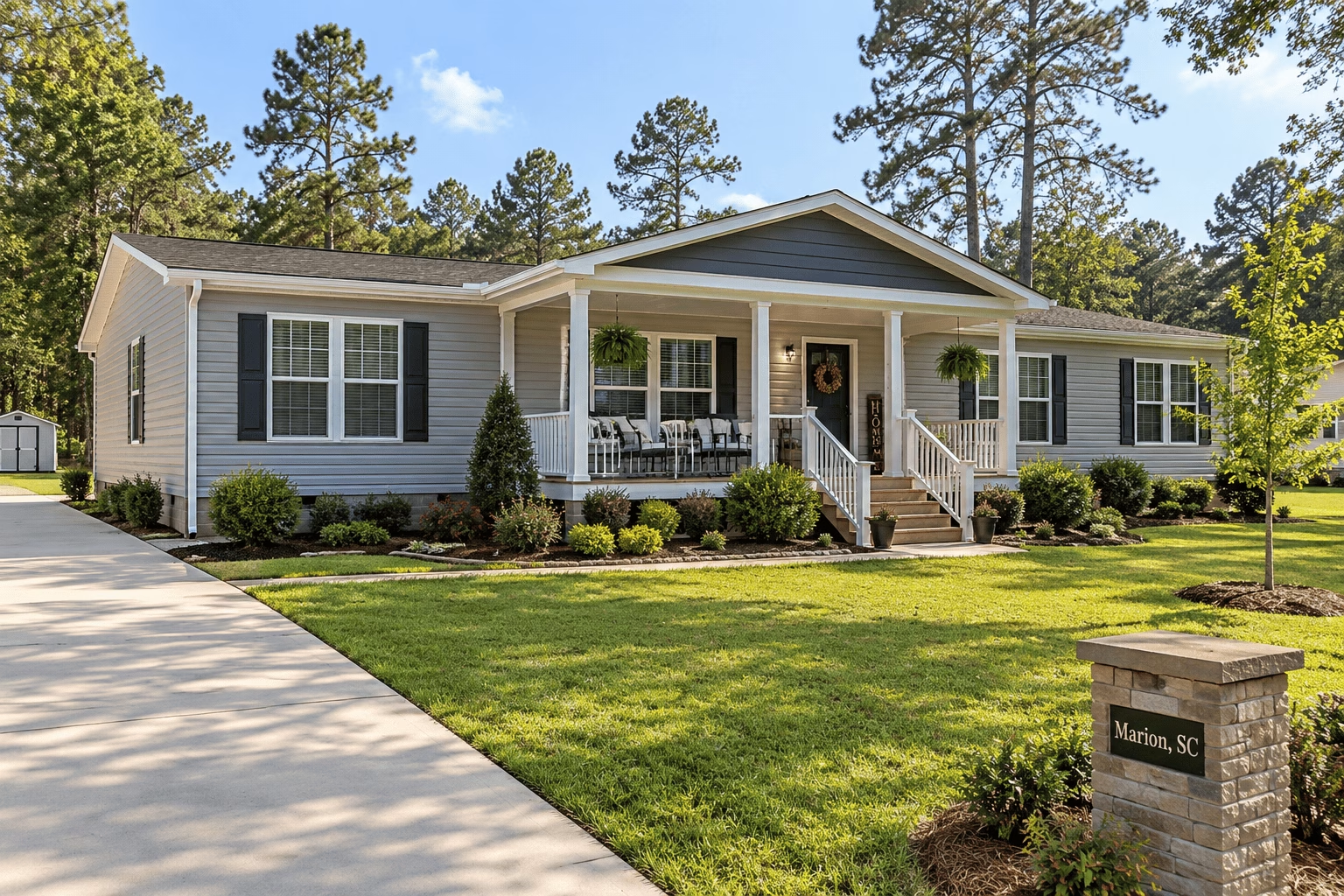
Leave Room for Outdoor Living
Your house doesn’t have to provide every square foot of your living space.
In South Carolina, outdoor areas can become valuable extensions of the home.
Depending on your property and applicable requirements, you may envision space for features such as a porch, seating area, garden, driveway, or lawn.
For example, a buyer might initially believe a larger interior is essential because they want plenty of space for family gatherings.
However, if outdoor living is important to the household, the combination of comfortable indoor common areas and usable outdoor space may provide the experience they want.
This is another reason to think about the entire property rather than evaluating the house alone.
Consider Furniture Before Choosing a Floor Plan
Furniture dimensions are surprisingly easy to overlook.
A bedroom may appear spacious until a king-size bed, nightstands, dresser, and other furnishings are placed inside.
Likewise, a living room that appears large when empty can feel very different after adding a sectional sofa and entertainment furniture.
Before making a decision, consider measuring the furniture you intend to keep.
Then compare those dimensions with the rooms you’re considering.
Pay particular attention to:
- Bed sizes
- Sofas and sectionals
- Dining tables
- Dressers
- Desks
- Entertainment centers
- Large cabinets
Also remember to account for doors, windows, and walking paths.
Furniture should fit without making the room difficult to navigate.
Think About Your Life Five Years From Now
A manufactured home isn’t just a solution for today’s housing needs.
Ideally, it should continue working for you as your life changes.
That doesn’t mean trying to predict everything that might happen. Instead, consider the most realistic possibilities.
Perhaps you’re planning to work from home more frequently.
Maybe children will need separate rooms as they grow.
Perhaps adult children will eventually leave home.
You might expect relatives to visit more often.
Or you may simply want a hobby room after retirement.
A flexible layout can adapt to several of these situations without requiring excessive space today.
Avoid Buying Square Footage Just Because You Can
When comparing homes, it’s easy to become attracted to larger numbers.
Four bedrooms can sound better than three. A larger living area can appear more impressive. Additional rooms may seem like an automatic advantage.
However, every room should ideally serve a purpose.
If an additional bedroom will remain closed most of the year, consider whether another layout could dedicate that square footage to something you would appreciate every day.
For example, you might value:
- A larger kitchen
- Better pantry storage
- A more spacious primary suite
- A dedicated utility area
- More comfortable shared living space
Choosing intentionally can help you prioritize function rather than size alone.
Create a “Must-Have” and “Nice-to-Have” List
Before exploring your options, create two lists.
The first should contain features your household genuinely needs.
For example:
Must Have
Three bedrooms
Two bathrooms
Adequate pantry storage
Comfortable primary bedroom
Space for dining
Functional laundry/utility area
Then create a second list.
Nice to Have
Kitchen island
Walk-in closet
Additional bedroom
Extra-large living room
Separate office
Additional storage
This exercise makes comparing homes much easier.
When several attractive options are available, you can return to your priorities instead of being distracted by individual features.
Walk Through the Home Mentally
When reviewing a manufactured home layout, imagine an ordinary weekday.
You wake up.
Where do you go first?
Can two people comfortably get ready at the same time?
Where do backpacks, shoes, coats, or work items go?
Then imagine dinner.
Where are groceries unloaded?
How easily can you move between the refrigerator, countertop, and cooking area?
After dinner, where does everyone relax?
Finally, imagine having visitors.
Where do they sit?
Where do they sleep?
This simple exercise can reveal more about a home than square footage alone.
Choosing a Manufactured Home for Marion County Living
Marion and the surrounding South Carolina area offer buyers an opportunity to think carefully about what they want from their home and property.
Some households want enough space for a growing family. Others want to simplify their lifestyle. Still others are looking for a comfortable home with flexible rooms and outdoor space.
There isn’t one ideal manufactured home size for every Marion buyer.
Instead, the right home is the one that balances:
- Household size
- Daily routines
- Desired bedrooms
- Bathroom needs
- Storage
- Furniture
- Property characteristics
- Outdoor living
- Future plans
- Personal preferences
That balance is far more meaningful than selecting a home based solely on square footage.
Explore Manufactured Home Options in Marion, South Carolina
Choosing a manufactured home size in Marion, SC becomes easier when you stop asking, “How much house can I get?” and begin asking, “How much house will I actually use?”
That change in perspective can make home shopping much more productive.
A thoughtfully selected manufactured home can provide comfortable bedrooms, functional common areas, useful storage, and flexibility without wasting valuable space.
Before making a decision, compare several layouts and imagine your actual furniture, belongings, routines, and future plans inside each home.
American Manufactured Home Outlet serves buyers exploring manufactured housing options in Marion, South Carolina.
Visit American Manufactured Home Outlet to explore available housing information and learn more about manufactured home options.
Ultimately, the best home isn’t necessarily the biggest.
It’s the home whose space works hardest for the people living there.

Author: Rick Johnson