
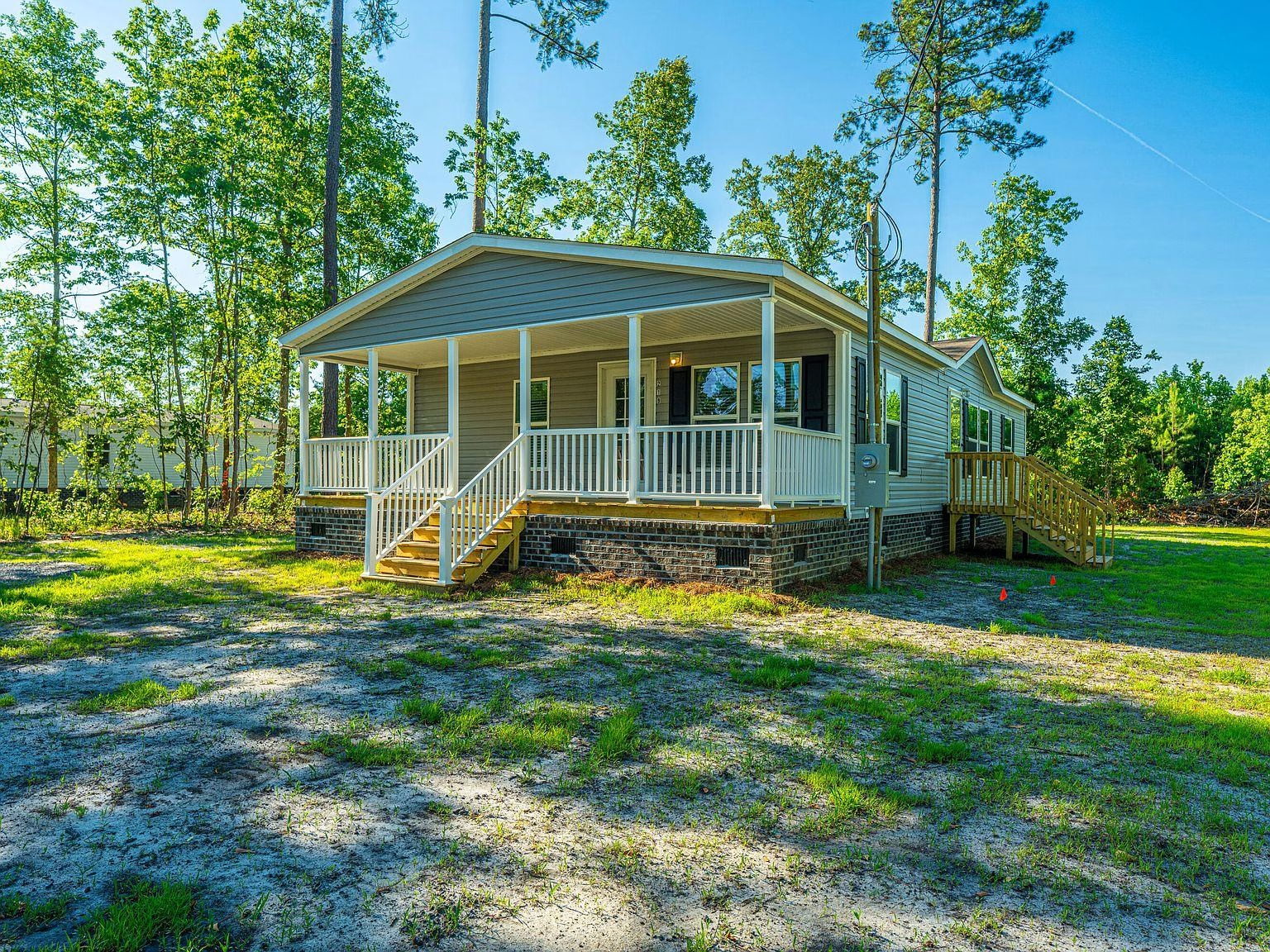
Buying a home is an exciting milestone, but the journey does not end when you choose your favorite floor plan. Manufactured home move-in planning Marion SC helps future homeowners prepare for the important steps between selecting a home and enjoying everyday life in it. From evaluating your property and arranging utility connections to planning your budget and preparing for delivery, a little organization can make the transition easier and more predictable.
For families and individuals considering a manufactured home in Marion, South Carolina, preparation is especially important. The area’s small-town atmosphere, convenient access to regional destinations, and South Carolina lifestyle make it appealing to buyers who want a comfortable place to call home. However, every property has its own requirements, and understanding those requirements early can help prevent unnecessary delays.
At American Manufactured Home Outlet in Marion, SC, prospective homeowners can begin exploring housing options while thinking ahead about the practical details that contribute to a successful move. This guide explains how to prepare for your new home, what to consider before delivery, and how to create a realistic plan for settling into your South Carolina property.
Why Manufactured Home Move-In Planning Matters in Marion SC
A manufactured home purchase involves more than choosing a design, comparing features, and arranging financing. The property must also be suitable for the home, necessary approvals must be addressed, and delivery and installation need to be coordinated.
That is why manufactured home move-in planning in Marion SC should begin before the home arrives.
Imagine a family that has found a home with the right number of bedrooms, a welcoming kitchen, and enough space for everyone. They are excited to move in, but they discover that the driveway needs improvements, utility connections have not been arranged, and the property requires additional preparation.
These challenges can affect the expected move-in date and increase expenses.
By contrast, buyers who create a checklist early can identify questions, coordinate with the appropriate professionals, and establish a more realistic timeline. Although every project is different, early planning makes it easier to understand which tasks must be completed first.
For buyers in Marion and the surrounding areas of Marion County, preparation should include four main priorities:
- Confirming that the property is suitable for the intended home.
- Understanding local requirements for permits, installation, and occupancy.
- Establishing a realistic budget that includes more than the home’s purchase price.
- Coordinating delivery, installation, utilities, and the eventual move.
When these elements are addressed in the right order, the move-in process becomes easier to manage.
Step 1: Evaluate Your Property Before Choosing a Move-In Date
One of the most important parts of manufactured home move-in planning in Marion SC is understanding the property where the home will be installed.
A property that looks ideal during an initial visit may need additional work before it is ready. Therefore, buyers should evaluate the land and discuss its suitability with qualified local professionals before making assumptions about installation.
Examine the Site and Ground Conditions
The property should be evaluated for access, drainage, slope, and the space required for the home’s installation.
South Carolina experiences periods of heavy rain, so drainage deserves particular attention. Water that collects near a home can create maintenance concerns and complicate site preparation.
Depending on the property, preparation may involve grading, improving drainage, removing obstacles, or establishing a suitable foundation or support system. The specific requirements depend on the home, site conditions, applicable codes, and installation instructions.
Before committing to a move-in schedule, consider asking:
- Is the site accessible to the delivery equipment?
- Will trees, branches, fences, or other obstacles interfere with delivery?
- Does the property require grading or drainage improvements?
- What foundation or support system is required for the selected home?
- Are there restrictions affecting the home’s placement?
A qualified installer or site-preparation contractor can help determine what work is necessary.
Check Access for Delivery and Installation
A manufactured home must reach the property safely. Narrow entrances, low-hanging branches, soft ground, tight turns, and overhead utility lines can complicate delivery.
For properties outside the center of Marion, buyers should not assume that a rural location automatically provides sufficient access. Have the delivery route and installation area evaluated in advance.
Furthermore, identify where construction vehicles, installation crews, and other equipment will need to operate. Clearing access before delivery can help reduce avoidable complications.
Step 2: Understand Local Permits, Zoning, and Installation Requirements
Every property has its own regulatory considerations. Before setting a firm move-in date, verify that the intended home is permitted on the property and that the planned installation complies with applicable requirements.
For a home in Marion, South Carolina, the relevant authorities may depend on whether the property is within city limits or in unincorporated Marion County.
Buyers should confirm the following with the appropriate local offices:
- Zoning and land-use requirements.
- Applicable building, installation, and occupancy permits.
- Setback requirements and property restrictions.
- Foundation, anchoring, and installation standards.
- Septic system or sewer connection requirements.
- Required inspections before occupancy.
If the property is part of a subdivision, community, or neighborhood association, review any applicable restrictions as well.
Importantly, requirements can vary by location and property type. Do not rely solely on information from a neighboring homeowner or assume that a previously installed home establishes what is allowed on your land.
Instead, obtain current guidance from the appropriate authority and keep copies of permits, approvals, and inspection records.
Taking these steps early can help you avoid scheduling delivery before the property is legally and practically ready.
Step 3: Build a Realistic Move-In Budget
The price of the home is only one part of the total cost of moving into a manufactured home.
A thoughtful budget accounts for the property, site preparation, installation, utilities, transportation where applicable, and the expenses associated with making the home comfortable.
For buyers comparing manufactured homes in Marion, SC, understanding these costs can help them evaluate their options more confidently.
Consider Expenses Beyond the Purchase Price
Depending on your circumstances, your move-in budget may include:
- Land purchase or land-related expenses.
- Site surveys, evaluations, or soil testing where needed.
- Clearing, grading, and drainage work.
- Foundation or support-system preparation.
- Delivery and installation charges.
- Electrical, water, and wastewater connections.
- Permit and inspection fees.
- Steps, walkways, skirting, or other finishing work.
- Homeowners insurance and applicable property taxes.
- Internet service, appliances, furnishings, and moving expenses.
Not every buyer will have every expense. Some homesites may already have suitable access or existing utility connections, while others may require substantial improvements.
Ask for a clear explanation of what is included in the home price and what must be arranged separately. Also, ask which services are provided by the retailer, installer, utility providers, or independent contractors.
Keep a Contingency Fund
Even with careful preparation, property work can reveal unexpected needs.
For example, an excavation may uncover drainage issues, or a utility provider may require additional work before connecting service. A contingency fund can help you respond without immediately disrupting your overall budget.
Rather than spending every available dollar on the home itself, determine how much you can reserve for unexpected costs.
Additionally, review financing terms carefully. If land, installation, or other expenses require separate arrangements, understand the payment schedules and obligations before signing agreements.
A realistic budget is not simply about spending less. It is about understanding the full cost of getting your home ready for occupancy.
Step 4: Plan Utility Connections Before Delivery
Electricity, water, wastewater service, and communications are essential to everyday life. However, their availability and connection requirements can differ significantly from one Marion-area property to another.
For this reason, manufactured home move-in planning in Marion SC should include utility coordination well before the anticipated delivery date.
Electricity
Contact the appropriate electric utility or qualified electrical contractor to determine the requirements for connecting the home.
Ask about service availability, meter arrangements, required equipment, connection fees, and the timing of any necessary work.
Electrical work should be completed by qualified professionals in accordance with applicable requirements. Do not assume that a nearby power line means the property is ready for service.
Water and Wastewater
Determine whether the property will use public water and sewer service or require a private well and septic system.
If public service is available, confirm connection requirements and associated charges. For a private well or septic system, consult the appropriate professionals and authorities about installation, testing, permits, and approvals.
These arrangements can influence the move-in timeline, so they should be investigated early.
Internet and Mobile Connectivity
Modern households rely on internet service for work, education, entertainment, banking, and communication.
Before moving, research which providers serve the exact property address. Availability can vary even between nearby roads and neighborhoods.
If reliable connectivity is important for remote work or online schooling, confirm service options before finalizing your plans.
Practical tip: Create a utility checklist with each provider’s contact information, estimated installation date, required paperwork, and confirmation number. This simple record can help keep the project organized.
Step 5: Coordinate Delivery, Installation, and Inspections
Once the site, approvals, and utilities are being addressed, the next step is to coordinate the actual delivery and installation process.
A clear schedule helps everyone understand what needs to happen and when.
For example, site preparation may need to be completed before delivery can take place. Installation may then be followed by utility connections, required inspections, and final work before occupancy is approved.
The exact sequence depends on the home and local requirements.
Confirm Responsibilities in Writing
Before the work begins, ask who is responsible for each part of the process.
Your written plan should clarify:
- Who prepares and evaluates the site.
- Who coordinates transportation and delivery.
- Who installs the home and completes required anchoring.
- Who arranges utility connections.
- Who obtains the applicable permits and inspections.
- Which finishing tasks are included in the agreement.
- How schedule changes or unexpected work will be handled.
Having these responsibilities documented helps reduce misunderstandings.
Avoid Moving In Too Early
A home may look finished before every required approval or connection is complete.
Nevertheless, do not occupy the home until the applicable inspections, utility requirements, and authorization for occupancy have been satisfied.
Before moving your belongings inside, confirm that essential systems are operating correctly and that outstanding work will not interfere with safe occupancy.
A final walkthrough is also a good opportunity to document visible concerns, review any outstanding items, and keep records of warranties and installation paperwork.
Step 6: Prepare the Home for Everyday Living
After installation, attention shifts from construction to comfort.
This stage is where a carefully planned home starts to feel personal. It is also an opportunity to establish habits that help protect the home and simplify maintenance.
Organize the Kitchen and Living Areas
Start with the spaces you will use every day.
Arrange kitchen essentials, cleaning supplies, bathroom necessities, and frequently used household items before unpacking everything else.
If you selected a home with a particular floor plan, think about how furniture will fit into the available space. Measure larger items before moving day to avoid unnecessary rearranging.
Furthermore, leave clear pathways around doors, hallways, and frequently used areas.
Review Safety Equipment
Check that the home has the appropriate smoke alarms and carbon monoxide alarms where required. Follow manufacturer instructions and applicable safety guidance for placement and maintenance.
Identify the electrical panel, water shutoff, and other important utility controls. Make sure household members know how to locate them.
Keep emergency contact information and relevant warranty documents in an accessible location.
Create an Initial Maintenance Plan
A manufactured home benefits from routine care, just like any other home.
Depending on the installation and equipment, your maintenance checklist may include:
- Inspecting the roof and exterior for visible damage.
- Checking that drainage directs water away from the home.
- Looking for plumbing leaks or unusual moisture.
- Keeping gutters and accessible drainage areas clear.
- Following manufacturer guidance for heating and cooling equipment.
- Checking doors and windows for proper operation.
- Maintaining the foundation, anchoring, and other installation components as recommended.
Because South Carolina weather can include humidity, intense summer heat, and heavy rain, pay attention to moisture management and exterior upkeep.
Address concerns promptly rather than allowing small issues to become more expensive repairs.
Step 7: Prepare for South Carolina’s Climate
Marion homeowners should consider the local climate when preparing their property and establishing a maintenance routine.
Hot, humid summers can increase cooling demands, while heavy rainfall may make drainage and moisture management especially important.
Consequently, it is useful to plan for both seasonal comfort and long-term property care.
Focus on Moisture Control
After heavy rain, look for standing water, clogged drainage paths, or signs that water is collecting near the home.
Maintain appropriate grading and drainage according to professional recommendations. Also, investigate persistent musty odors, condensation, or unexplained moisture promptly.
Good moisture management can help protect interior finishes and reduce the likelihood of avoidable maintenance problems.
Prepare for Warm Weather
Window coverings, appropriate thermostat settings, and regular maintenance of cooling equipment can contribute to a more comfortable home.
When evaluating available homes, ask about insulation, window specifications, heating and cooling equipment, and other features that may affect comfort and operating costs.
However, do not assume that every home has identical specifications. Compare the actual features of the models you are considering.
Step 8: Think About the Neighborhood and Your Daily Routine
A successful move involves more than getting the house ready. It also means making sure the location supports your everyday needs.
Marion offers a small-city setting in the Pee Dee region of South Carolina, with local services and connections to other communities in the region.
Before committing to a property, consider how its location fits your lifestyle.
Think about your commute, grocery shopping, medical services, schools if applicable, recreation, and access to major roads. If you work remotely, consider internet availability and whether the property offers a comfortable workspace.
It is also worth visiting the area at different times of day to understand traffic, noise, and the general surroundings.
For buyers considering land outside Marion’s central areas, evaluate the practical implications of the location. A larger property may offer more outdoor space, for instance, but it may also require more maintenance or additional infrastructure.
There is no single best location for every buyer. The goal is to select a property that suits your budget, priorities, and daily routine.
Step 9: Keep Important Documents Together
During a home purchase and installation, paperwork can quickly accumulate.
Keeping important documents organized makes it easier to confirm responsibilities, track progress, and address questions after the move.
Create a physical folder or digital record containing relevant documents, such as:
- Purchase agreements and payment records.
- Financing documents.
- Property records and applicable surveys.
- Permits, approvals, and inspection reports.
- Delivery and installation agreements.
- Utility connection information.
- Manufacturer documentation and warranties.
- Contractor invoices and receipts.
- Insurance information and emergency contacts.
Review each document carefully and retain records according to the relevant agreements and requirements.
If a question arises about a warranty, installation detail, or completed payment, having the right paperwork available can save time.
Step 10: Use a Move-In Checklist to Stay Organized
A checklist turns a complicated project into smaller, manageable tasks.
The following sequence provides a useful starting point for manufactured home move-in planning in Marion SC. Adjust it to your property’s conditions and the guidance of your retailer, installer, and local authorities.
Before purchasing or finalizing the property
- Evaluate the land and access conditions.
- Confirm zoning and placement requirements.
- Review the overall budget.
- Compare home specifications and included services.
Before delivery
- Complete required site preparation.
- Obtain applicable permits and approvals.
- Coordinate transportation and installation.
- Arrange electricity, water, wastewater, and internet service.
- Confirm the delivery schedule and responsibilities.
Before occupancy
- Complete required inspections.
- Confirm that essential utilities are connected and operating.
- Review the installation and address outstanding issues.
- Verify the applicable authorization for occupancy.
- Arrange insurance and organize important documents.
After moving in
- Test safety equipment and locate utility shutoffs.
- Establish a routine maintenance schedule.
- Monitor drainage and moisture conditions.
- Organize living spaces and household essentials.
- Keep warranty and service records accessible.
Checking off each task helps you see what has been completed and what still needs attention.
Choosing a Manufactured Home That Fits Your Plans
The most suitable manufactured home is not necessarily the largest or the one with the most upgrades. Instead, it is the home that balances your household’s needs, your preferred features, your budget, and the practical requirements of your property.
Consider how many bedrooms you need today and whether your household may change in the future. Think about storage, kitchen layout, living space, privacy, and accessibility.
Likewise, compare the home’s specifications and ask questions about construction, installation, included features, warranties, and ongoing maintenance.
Before making a final decision, confirm current availability, pricing, financing terms, and which services are included directly with the retailer.
Start Your Manufactured Home Move-In Planning in Marion SC Today
Moving into a manufactured home should be an exciting step toward a comfortable and practical living environment. Although there are several details to coordinate, you do not have to approach them all at once.
Start by understanding your property, confirming local requirements, and creating a complete budget. Next, coordinate site preparation, utilities, delivery, installation, and inspections. Finally, prepare the home for everyday living and establish a maintenance routine suited to South Carolina’s climate.
For buyers in Marion, SC, manufactured home move-in planning Marion SC provides a practical framework for turning a home purchase into a well-organized transition.
American Manufactured Home Outlet can be a starting point as you explore manufactured housing options in the Marion area. Take time to compare available homes, ask detailed questions, and understand what will be required to prepare your chosen property.
With realistic expectations, organized records, and a thoughtful plan, you can move toward your new home with greater confidence and a clearer understanding of the steps ahead.
Ready to explore your options? Visit American Manufactured Home Outlet to learn more about manufactured homes and take the next step toward planning your future home in Marion, South Carolina.

Author: Rick Johnson