

Choosing a home is about more than bedrooms, bathrooms, and square footage. It is also about how comfortably you can live in the space every day. With practical manufactured home storage Marion SC solutions, homeowners can organize their belongings, make rooms feel more open, and create a welcoming environment that suits their lifestyles.
For homebuyers in Marion, South Carolina, storage deserves attention early in the home-shopping process. Whether you are moving from an apartment, downsizing from a larger house, purchasing your first home, or looking for a comfortable place for your family, thoughtful organization can make a meaningful difference.
At American Manufactured Home Outlet, prospective buyers can begin exploring manufactured housing options through the official website. As you compare homes, consider not only the floor plan but also where everyday belongings will go, how you use each room, and which storage features would make life easier.
This guide explores practical storage ideas, room-by-room organization strategies, and planning tips for people considering a manufactured home in Marion and nearby South Carolina communities.
Why Storage Matters When Choosing a Manufactured Home
A home should support the way you actually live. That includes storing groceries, clothing, cleaning supplies, holiday decorations, outdoor equipment, and the many smaller items that accumulate over time.
Without an organization plan, even a beautiful home can begin to feel crowded. However, efficient storage can make everyday routines simpler without requiring a larger home.
For example, a family might benefit from a designated place for backpacks near the entrance, while a retired couple may prefer easy-to-reach kitchen cabinets and organized linen storage. Someone who works remotely may need shelves and concealed storage to keep work materials separate from household items.
These needs are worth considering before choosing a floor plan.
Manufactured homes come in different configurations, and available storage features vary by model. Therefore, buyers should review the actual layout and included features of each home rather than assuming that every model offers the same cabinets, closets, or built-in shelving.
1. Start With a Room-by-Room Storage Plan
Before shopping for furniture or storage containers, identify what you own and where you want to keep it.
Begin by listing the belongings used daily, items needed occasionally, and possessions that only come out seasonally. This simple exercise can reveal whether your current storage habits are practical or whether you are keeping things that no longer serve a purpose.
Next, consider each room individually.
In the kitchen, prioritize frequently used cookware, pantry products, and food-storage containers. In bedrooms, think about clothing, shoes, bedding, and personal items. In living spaces, identify places for books, electronics, games, and household paperwork.
Meanwhile, outdoor equipment, gardening tools, and recreational supplies may need a separate storage solution that complies with local requirements and property restrictions.
This approach makes it easier to evaluate potential manufactured homes based on real needs instead of choosing a layout solely because it looks attractive in photographs.
2. Make Kitchen Storage Work Harder
The kitchen is one of the busiest areas of a home. It needs to accommodate food, cookware, dishes, small appliances, cleaning products, and other essentials without making meal preparation difficult.
When evaluating a manufactured home in Marion, examine the kitchen cabinets, pantry space, countertop arrangement, and available drawers.
A well-organized kitchen often depends as much on placement as total storage capacity. For instance, keeping everyday plates near the dishwasher reduces unnecessary movement. Storing frequently used pans near the cooking area makes preparing dinner more convenient.
Consider these practical improvements:
- Use drawer dividers for utensils and cooking tools.
- Group pantry items by category, such as breakfast foods, baking supplies, and canned goods.
- Place frequently used products at comfortable heights.
- Use stackable containers where appropriate.
- Store seldom-used appliances in less accessible cabinets.
- Keep countertops clear of items that can be stored elsewhere.
Additionally, measure small appliances before purchasing organizers or shelving. An accessory that fits a photograph may not fit the actual cabinet dimensions.
If you enjoy cooking for family gatherings, consider whether the kitchen offers enough room for serving dishes and extra pantry supplies. A household that prepares simple meals may have very different requirements.
The best arrangement is the one that matches your everyday habits.
3. Choose Bedroom Storage That Reduces Clutter
Bedrooms should feel restful, not like overflow storage areas.
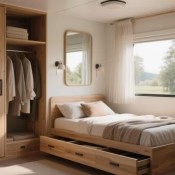
Closets, dresser drawers, bedside tables, and under-bed storage can help keep clothing and personal belongings organized. However, these solutions work best when you first assess the available dimensions.
For example, sliding storage containers beneath a bed may be useful for seasonal clothing or spare linens, provided there is adequate clearance. Hanging organizers can make use of closet space, while drawer dividers keep socks, accessories, and smaller garments separated.
Families should also consider how storage needs might change over time. Children’s clothing, school supplies, sports equipment, and hobbies can create different demands as children grow.
For a guest bedroom, a modest closet and a small set of drawers may be sufficient. A primary bedroom may need additional room for clothing, personal accessories, and extra bedding.
Before purchasing organizers, measure closet width, shelf depth, hanging height, and available floor space. This prevents wasted purchases and helps maintain a comfortable walking area.
4. Use Vertical Space Without Overcrowding Rooms
When floor space is limited, vertical organization can provide additional capacity.
Wall-mounted shelves, tall bookcases, and appropriately secured cabinets can create storage opportunities without spreading belongings across the room. Nevertheless, placement matters.
Avoid installing shelves where they obstruct doors, windows, ventilation, or everyday movement. Heavy objects should be stored using suitable mounting hardware and attachment methods appropriate for the wall construction.
In manufactured homes, wall assemblies and structural details can vary. Therefore, consult the manufacturer or a qualified professional before installing heavy shelving, mounting televisions, or making modifications that require knowledge of wall framing.
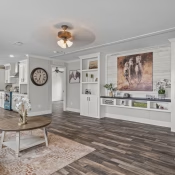
For a living room, vertical shelves can display books, framed photographs, and decorative pieces. In a home office, shelves may hold reference materials and supplies. In a laundry area, compact wall organizers can keep detergents and accessories accessible.
The goal is to use available space thoughtfully rather than filling every empty wall.
5. Create a Practical Entryway
A small entryway can become a source of daily frustration when shoes, bags, keys, and jackets have no designated place.
Fortunately, an organized landing area does not require a large foyer.
A narrow shoe rack, a compact bench with storage, wall hooks secured appropriately, or a small basket for everyday accessories may be enough. The arrangement should leave the entry clear and allow people to move safely through the space.
In Marion, households may also want an easy place for umbrellas, rain jackets, outdoor footwear, and items used for errands around town.
For families, assign each person a specific location for commonly used belongings. This reduces the familiar scramble for keys, school bags, and shoes before leaving home.
If a selected home has limited entry space, consider whether a nearby hallway or another suitable area can accommodate these functions without blocking an exit.
6. Plan Laundry and Cleaning Supply Storage
Laundry supplies and cleaning equipment are easy to overlook during a home tour. Nevertheless, they can affect how efficiently a household manages daily chores.
When evaluating a floor plan, check the location of the laundry area, available shelving, space for hampers, and room to store essential supplies.
A small shelf or cabinet can hold detergent, stain removers, and laundry accessories. A designated basket for cleaning cloths can prevent these items from spreading throughout the house.
Keep chemicals in their original containers, follow label instructions, and store them securely away from children and pets.
For homes with limited utility space, a rolling cart may offer flexible storage if there is enough room to move it without obstructing appliances or walkways.
Think about the complete routine: collecting laundry, washing and drying clothes, folding them, and returning them to the appropriate rooms. A practical layout should make those steps straightforward.
7. Make Living Areas Feel Open and Comfortable
An organized living room can feel more spacious even when its overall dimensions remain unchanged.
Start by identifying the room’s primary purpose. Is it a place for watching television, hosting guests, reading, children’s play, or several activities at once?
Once you understand the room’s function, choose furniture that fits the available space.
A storage ottoman can hold blankets or board games. A television console with cabinets can conceal electronic accessories. A bookcase can combine display space with practical organization.
However, furniture should not overwhelm the room. Measure large pieces before purchasing them, and leave enough space for doors to open and people to move comfortably.
Multifunctional furniture may be especially helpful for households that use one room for several activities. For example, a desk with drawers can support remote work while keeping paperwork out of sight when the workday ends.
Use baskets and containers selectively. Too many visible organizers can create the same visual clutter they are intended to solve.
8. Consider Outdoor Storage for South Carolina Living
Many Marion-area households enjoy gardening, outdoor cooking, seasonal decorating, and other activities that require equipment.
These belongings may include lawn tools, folding chairs, sports equipment, garden supplies, and patio accessories.
Before deciding where to store them, check the property’s available space, applicable zoning requirements, community restrictions, and any rules affecting detached sheds or other accessory structures.
A shed may be appropriate on some properties, but it should never be assumed that every lot permits one. Placement, drainage, foundation requirements, setbacks, and local approvals may all matter.
Weather protection is another consideration. South Carolina experiences warm, humid conditions and periods of heavy rain. Outdoor storage should help protect appropriate items from moisture and pests.
Keep chemicals, fuel, and powered equipment stored according to manufacturer instructions and applicable safety requirements. Do not store hazardous materials inside living areas simply to save outdoor space.
If a property has limited room for additional structures, plan carefully before purchasing large equipment or outdoor furniture.
9. Use Seasonal Organization to Keep Clutter Under Control
Seasonal storage helps households maintain a comfortable home throughout the year.
In Marion, residents may rotate lightweight and heavier bedding, holiday decorations, gardening equipment, and clothing as their needs change.
Instead of keeping every item in the most accessible closet, assign storage locations based on how often items are used.
Clearly labeled containers can hold seasonal decorations or clothing. Store them in suitable, dry locations and avoid blocking utility access, electrical panels, exits, or ventilation openings.
A useful approach is to review stored items at the beginning of each season. Donate usable belongings that are no longer needed, dispose of damaged items responsibly, and return frequently used objects to accessible locations.
This habit prevents storage areas from gradually becoming collections of forgotten possessions.
It can also help buyers identify the amount of storage they genuinely need before choosing a home.
10. Evaluate Storage While Comparing Floor Plans
A floor plan provides more than room dimensions. It also reveals how effectively the home may accommodate furniture, belongings, and daily routines.
When comparing manufactured homes, consider the number and location of closets, kitchen cabinet capacity, bathroom storage, laundry arrangements, and the placement of bedrooms.
Ask whether the home has the features you need or whether additional furniture will be required.
You can begin exploring housing information and available options through American Manufactured Home Outlet. When reviewing a particular home, request the applicable floor plan and confirm which features are included in that model.
You may also find it helpful to review information about manufactured home floor plans when thinking about room arrangement and how different layouts may fit your household.
Remember that photographs and model-home displays may include furniture or accessories that are not part of the purchase. Confirm included features, dimensions, specifications, and any additional costs before making a decision.
11. Think About Storage Costs in Your Overall Budget
Storage decisions can affect the total cost of settling into a home.
A floor plan with suitable built-in storage may reduce the amount of additional furniture you need to purchase. On the other hand, a home with fewer closets might require dressers, shelving, cabinets, or other organizers.
These expenses should be considered alongside the home’s purchase price and other ownership costs.
Create a basic list of potential purchases, including bedroom furniture, kitchen organizers, laundry supplies, and outdoor storage if permitted. Compare prices before moving forward.
Avoid assuming that custom cabinets or structural changes will be inexpensive. If modifications are important to your plans, obtain qualified advice and written estimates before committing.
For prospective homeowners in Marion, a realistic budget can help distinguish between a home that looks appealing initially and one that fits comfortably into everyday life.
12. Explore Energy-Conscious Organization and Home Planning
Organization and energy efficiency are different considerations, but both contribute to a comfortable home.
For instance, keeping furniture away from air vents helps preserve airflow, while avoiding excessive clutter around windows can make natural light easier to use.
However, storage arrangements alone cannot guarantee lower utility bills. Insulation, air sealing, HVAC performance, thermostat settings, and household habits also affect energy consumption.
As you compare homes, consider reviewing the manufacturer’s available specifications and asking about relevant energy features.
For additional information, visit this guide to manufactured home energy savings in Marion, SC.
A home that supports both your storage needs and your comfort preferences may be easier to maintain over the long term.
13. Plan for Your Lifestyle in Marion and Nearby Communities
Marion offers a local setting in which prospective homeowners can consider their daily routines, family needs, and preferred home environment.
Depending on where you live and work, your storage requirements may reflect commuting, school activities, outdoor recreation, hobbies, or visits with relatives.
People relocating to Marion from another part of South Carolina may bring furniture and possessions that require a different arrangement from those moving out of a smaller apartment.
Likewise, buyers coming from nearby communities such as Mullins, Dillon, Florence, or Conway may have different priorities depending on household size and lifestyle.
Before moving, take an inventory of your existing belongings and identify furniture that will fit your prospective home’s dimensions. This can help prevent unnecessary moving expenses and avoid filling rooms with items that do not suit the new layout.
Consider what you want your home to feel like after the first few months, not just on moving day.
A thoughtful plan can make the transition easier and help you establish an organized routine from the beginning.
Frequently Asked Questions
Do manufactured homes have enough storage for families?
Storage varies by home model, floor plan, and included features. Families should examine closet sizes, cabinets, bedroom layouts, and available utility space before choosing a home. Additional furniture may provide flexibility where built-in storage is limited.
How can I organize a smaller manufactured home?
Begin by removing unnecessary belongings, assigning each item a designated location, using vertical storage where appropriate, and selecting furniture that serves more than one purpose. Keep walkways and exits clear, and avoid purchasing organizers before measuring the available space.
Can I add a storage shed to my property in Marion, SC?
Possibly, depending on the property’s location, zoning rules, community restrictions, setbacks, and other applicable requirements. Check with the relevant local authorities and property owner or community management before installing an accessory structure.
What should I check during a manufactured home tour?
Review closet dimensions, kitchen cabinets, pantry space, bathroom storage, laundry arrangements, and the locations of utility equipment. Also consider furniture placement and whether the floor plan provides enough room for your everyday activities.
Where can I explore manufactured home options in Marion?
Visit American Manufactured Home Outlet to begin exploring available information and housing options. Ask about current inventory, floor plans, specifications, included features, pricing, and the next steps in the homebuying process.
Final Thoughts: Make Space Work for Your Life
A comfortable home does not necessarily require more square footage. It requires a layout that supports your priorities, storage that accommodates your belongings, and an organization system you can maintain.
By evaluating cabinets, closets, utility areas, bedroom layouts, and potential outdoor storage before choosing a home, prospective buyers can make more informed decisions.
For anyone researching manufactured home storage Marion SC options, the best first step is to identify your household’s needs and compare them with the actual features of each available floor plan.
Explore American Manufactured Home Outlet to learn more about manufactured housing options in Marion, South Carolina, and take the next step toward finding a home that fits your lifestyle.

Author: Rick Johnson